

Substance Use and Brain Injury (SUBI)
It is very common for people who are living with the effects of brain injury to have concerns related to substance use. Intoxication increases the risk of having a brain injury. As many as half of all brain injuries are sustained while a person is under the influence of alcohol or drugs. The life changes that occur after brain injury may result in changes in personal relationships, employment, and social engagement. Pain, depression, and anxiety are also quite common after brain injury. Each of these factors may increase a person’s risk for using alcohol or other drugs in a problematic way.
The cognitive and emotional changes resulting from brain injury may present a barrier to seeking care for substance use disorders. Even though brain injury is common among people who seek care for problematic substance use, few programs are well prepared to manage the cognitive, emotional and neurobehavioural difficulties that accompany brain injury. For this reason, people with a history of brain injury are at a high risk of being misunderstood as unmotivated or uncooperative with care. The CHIRS SUBI program has taken a multifaceted approach to supporting clients to get the care they need.
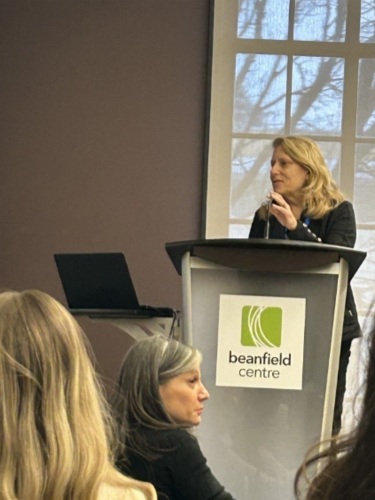
Increasing capacity to manage brain injury in the healthcare system
Originally funded by the Ontario Neurotrauma Foundation, the SUBI bridging project is a knowledge transfer initiative designed to increase accessibility to addictions services. These efforts have led to international recognition and funding supported by the National Association of Brain Injury Administrators and Substance Abuse and Mental Health Administration, Mid-America Technology Transfer Center in the US. This funding supported updated versions of a Brain Injury and Substance Use Tool Kit and a Client Workbook. These materials may be accessed through our resources page.
Dr. Lemsky and the SUBI team regularly provide training and workshops to local, provincial, and international groups to increase system capacity. More information about research and knowledge transfer activities related to the SUBI bridging project can be found on the resources page.
Community Partnerships
The team at CHIRS has cultivated a number of partnerships for the purpose of building the capacity of our team to understand and intervene with people who are living with problematic substance use and to increase capacity in the health care system.
Partnerships with Addictions Providers
Over the past 15 years the teams at CHIRS has forged partnerships with mental health and addictions providers to enable expert consultation and referrals. Partnerships have included formal consultation tables with CAMH, training and program consultation and supporting individual clients in addictions and mental health settings.
Community Addictions Providers
CHIRS offers consultative services and education to any addictions provider who is willing to work with CHIRS clients presenting with complex needs. Partnerships include direct individual supports for clients as allowed by the program structures, recommendations for care and assistance in intake and discharge. Education may include case consultation as well as training presentations.
Direct Intervention
CHIRS offers several groups to support individuals who have concerns related to their substance use. Groups are recommended for clients who are interested in learning more about substance use and brain injury and/or setting goals around their substance use. Goals for participation may include reducing harms associated with substance use, abstaining from substance use, or learning the skills needed to participate in more intensive programming to address substance use disorders. Participants should be willing to engage with peers and be able to participate in a group that is 90 minutes in length. Clients interested in the SUBI group may be asked to meet with the team leader to ensure they have cognitive, communication, and behavioural abilities to benefit from the group.
SUBI groups serve individuals with a range of neurocognitive abilities and severity of substance use. They are typically run for 12 to 18 weeks. The schedule is determined by demand for the programming and the assessed needs of the group as it forms. The number of individuals admitted to the group is determined based on the needs of the individual participants and ranges from 3 to 6 with two facilitators.
SUBI Introduction
The SUBI group supports individuals in making and meeting goals around changing their substance use. The groups aim to provide education, peer support, prevention messages, and harm reduction, as well as problem-solving and coping strategies. The nature of the activities pursued in the group will cater to the composition of the group and their expressed goals. For some participants, the SUBI group may serve as a way to get ready for services offered to the general community. Clients will undergo a brief assessment to determine their readiness for the group. Participants in the SUBI groups must have case management support to attend. Start dates are scheduled for spring and fall but remain flexible depending on interest.
SUBI II
This group is by invitation only and includes participants who have completed the SUBI introduction. Sessions may review the SUBI curriculum but also include participation in activities that may serve as an alternative to substance use.
Smoking Treatment for Ontario Patients program (STOP)
CHIRS, in partnership with CAMH Nicotine Dependence Clinic, runs a Smoking Treatment for Ontario Patients (STOP) program that offers individual counselling and free Nicotine Replacement Therapy (e.g. patches, gum) to people who want to reduce or quit smoking commercial cigarettes, and/or use of other tobacco/nicotine products (i.e. e-cigarettes, cigars, chewing tobacco, water pipes, etc.).
The smoking cessation treatment program is for 26 weeks within a one-year period. Meetings are scheduled with a trained STOP Practitioner to provide psychoeducation, behavioural support, one-to-one, or cessation group counselling.
The STOP program is offered to CHIRS employees, clients, and their family members. Individual appointments are scheduled weekly to start and can be reduced to the minimum of once per month, if desired.
Peer Support Programs
CHIRS invites Peer support programs to run groups at our facility. These groups are run by members of the community and advertised on the Peer Support websites: AA Greater Toronto Area Intergroup Alcoholics Anonymous and Narcotics Anonymous World Services.
Things I didn’t know about substance abuse and brain injury
For information about workshop dates and times, please contact the Intake Department at (416) 240-8000.