

Clinical Director's Report
Stay Informed with the Latest from CHIRS Leadership
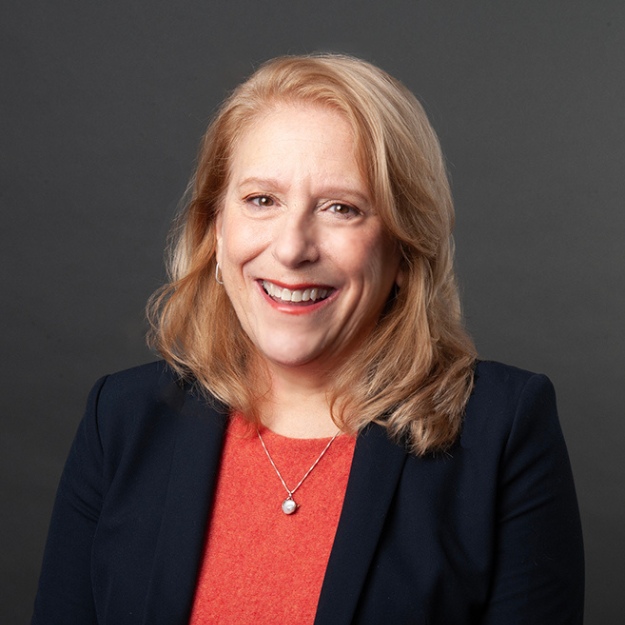
Carolyn Lemsky, Ph.D., C.Psych, ABPP-CN, C-CAT (MB), Clinical Director
Diplomate of the American Board of Professional Psychology, American Board of Clinical Neuropsychology
We know that no two people face the same challenges, have the same abilities or the same needs or desires. We also know that staff members and clients come to the CHIRS community with unique talents and ways to contribute. In addition to providing direct services, an essential role of the clinical team is to ensure that our staff members have the tools they need to provide flexible, accessible, and useful individualized services so that our clients can live their best lives. To do that, we’ve worked hard to keep up with recent developments in the fields of neurorehabilitation, cognitive neuroscience, and neuropsychology.
As a team, we work hard to provide a safe space where clients can express their needs, explore their strengths, and collaborate in the development of our programs and services.
Many of our clients are living with co-occurring medical and mental health conditions that require integrated approaches to community-based support. We approach complex situations with optimism, knowing that it often takes many trials before we hit on something that works. Our services are designed to be sustainable when the need for support will be lasting. To that end, we make it a priority to foster partnerships in the community through knowledge transfer projects and participation in research so that our clients can access the care they need and address the needs of brain injury survivors experiencing addiction, mental health disorders, homelessness, and justice. Recently developed partnerships with other service providers in the city are designed to meet the needs of people living with brain injury who are currently unhoused.
Our human resources are our greatest asset. Our goal is to ensure that staff members have the skills they need to collaborate with clients and their families to create a lifestyle that is both productive and satisfying. We are continually developing and adapting our training as new information about best practices emerges and health care resources evolve. All CHIRS staff have access to a series of workshops related to brain and behaviour relationships, fostering working relationships with clients and families, first aid, crisis response and prevention, and a variety of other topics. Coaching sessions are used to help staff members use that training in the course of their day-to-day activities.
Supporting people in the community requires sensitivity to the perspectives of our clients, their family members, staff members and the community. Differing viewpoints often lead to ethical dilemmas. Training and coaching to use CHIRS everyday ethics helps us to navigate the tricky situations that inevitably arise.
Our model of service delivery is a flexible yet systematic client-driven approach to support. To be effective, our efforts must be guided by what is most important to our clients and their families. We integrate an understanding of cognitive functioning, the impact of environmental influences, and evidence-based interventions. A team of professionals, including neuropsychologists, a neuropsychiatrist, and social workers, provides regular supervision to assist staff in understanding the needs, abilities, and emotional responses of program participants. Clients are supported in developing a healthy awareness of strengths and needs. Armed with this knowledge, they are able to fully collaborate in the development of strategies that can be used to address their own life goals. Some major points that are emphasized in our model of service include the development of daily routines. Routines foster independence by allowing persons with memory and organization difficulties to independently complete activities of daily living with a minimum of external intervention. Every attempt is made to encourage the development of cognitive compensation strategies that both promote independence and feelings of accomplishment and self-worth. As we continue to refine our model of service, we strive to provide the maximum possible amount of participation in the community.