

Clinical Groups
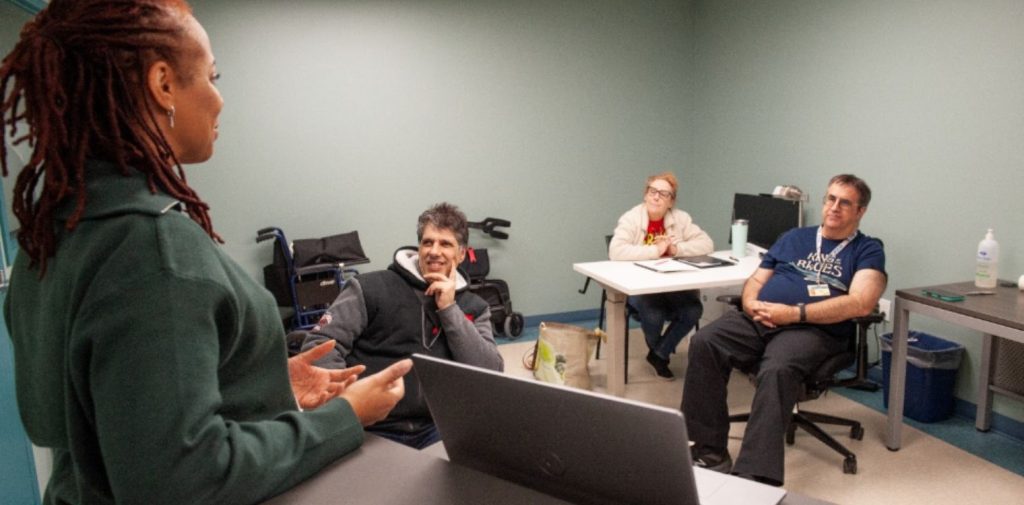
CHIRS Clinical Groups are psycho-educational and goal-directed support groups that are facilitated by and/or directly supervised by a member of our clinical team. Groups are recommended for clients who are willing to engage with peers and can participate for 60 to 90 minutes in a group setting. Clients should demonstrate the capacity to attend the discussion and respond productively to the facilitators’ cues. To benefit fully, clients should be willing and able to plan for taking information and skills learned in the group into their day-to-day lives. Some groups require a brief meeting with the client for the purpose of determining whether a clinical group is right for them.
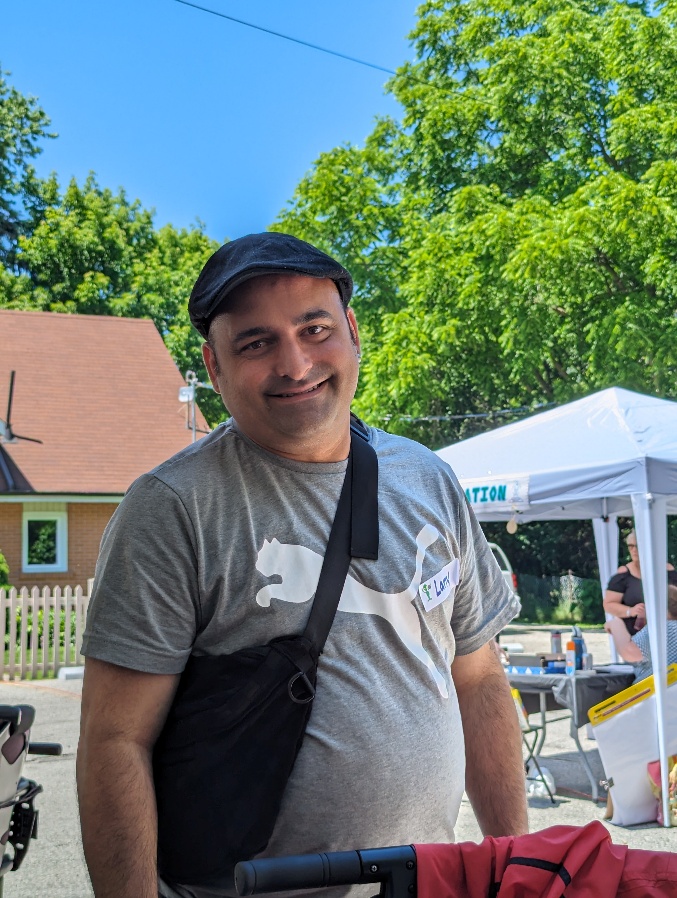
Living Well with a Brain Injury Workshop
This workshop provides participants with an overview of the impacts of brain injury and opportunities to develop effective strategies for various aspects of daily life. Core topics include neuroanatomy and functional changes following brain injury, compensatory techniques, communication skills, emotional regulation, navigating interpersonal relationships, and sexuality.
Cognitive Rehabilitation Following ABI
This structured group intervention begins with an overview of neuroanatomy and the common outcomes of acquired brain injury (ABI). Participants are introduced to the functional domains commonly affected by ABI, including attention, memory, communication, fatigue, and mood regulation. The program integrates educational instruction delivered by clinical staff with experiential learning through interactive exercises. Each session is designed to enhance participants’ insight into their cognitive profiles, fostering awareness of both strengths and areas for improvement. Evidence-informed strategies are introduced to support cognitive functioning in daily life. Participants are encouraged to establish individualized rehabilitation goals and apply learned techniques in real world contexts. Comprehensive handouts are provided to reinforce learning and support continued application beyond the group setting.
Positive Psychology
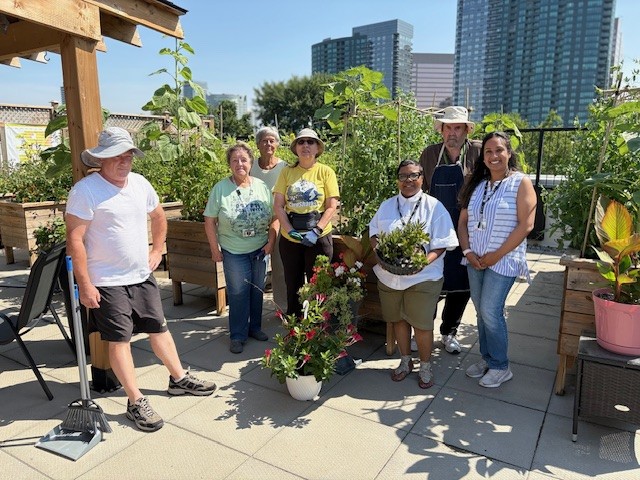
Positive Psychology focuses on increasing happiness in everyday lives. There are many practices associated with Positive Psychology that require a conscious effort to change thought patterns about the self and one’s experiences. For people with ABI, there are many challenges to implementing regular positive thought routines. This group seeks to assist individuals in identifying harmful thought processes and replace them with compassionate and supportive phrases, identify areas of strength to build self-esteem, and become more mindful of positive experiences to increase happiness in the moment.
Your Best Self Workshop
This group focuses on building self-esteem and a better self-image through exploring our innate strengths and our personal values. Participants report feeling inspired, confident, and happy at the end of each session.
Finding Happiness Workshop
This group helps participants to develop everyday cognitive routines that are proven to increase happiness. Topics include being grateful, focusing on the positives, forgiveness, mindfulness, and more.
Goal Management Training (GMT)
Goal management training is a cognitive rehab training program designed for individuals who struggle with executive dysfunction. The program uses metacognitive strategies to help individuals with executive dysfunction improve their planning and achieve their goals. In this program, participants will be taught the course by two GMT-trained facilitators. They will be given instructional tools and materials, workbooks and strategies to use and practice in their everyday life. Participants will also participate in supportive group discussions, where they will share their progress with GMT and receive supportive feedback from the group.
EQ Works
Do you ever feel like your emotions go from 0 to 100 in a flash? Do you ever regret saying or doing something after the heat of the moment has passed? Do you ever feel confused about why you are feeling a certain way?
This group is designed for people who answered YES to any of the above questions. After brain injury, it can be really difficult to manage intense emotions and, therefore, behaviours. This group will help you when you’re feeling upset and do not want to say or do something you will later regret. You will learn how to understand how you are feeling and why you are feeling that way. You will learn to stop that feeling before it becomes too overwhelming. You will also learn other skills to help you manage strong emotions and navigate difficult situations. Skills include mindfulness meditation, recognizing which types of thinking and behaviour are likely to help to you achieve your goals, and what to do to keep yourself on track. Emphasis will be given to practicing skills in group and exploring how skills can be applied to situations that are important in your life.
cTech
This group is designed for individuals interested in learning how to use an Apple or Android device to support cognitive functioning. Whether you’re new to technology or already comfortable with it, all skill levels are welcome. Throughout the program, participants will explore a range of topics and apps that can:
- Introduce the basics of using a smartphone or tablet for compensation
- Supplement memory, attention, and organization strategies
- Support mood regulation
Using everyday technology, the group offers practical tools to help improve daily routines and stay socially connected. A limited number of devices are available for use during sessions—perfect for those who are curious but not yet ready to invest in their own.
Men’s Group and Women’s Group
This weekly support group brings together individuals with shared lived experiences of brain injury to collaboratively engage in problem-solving everyday challenges. The group emphasizes the development and application of metacognitive and communication skills to promote self-awareness, interpersonal effectiveness, and functional independence. Participants are encouraged to explore special interest topics relevant to their recovery, including mood regulation, self-esteem, self-compassion, and the formation of a positive post-injury identity.